What is the Role of an Industrial Heat Exchanger in TEMA Design
The thermal operation structure of ultramodern artificial installations relies heavily on standardized engineering practices that insure trustability, safety, and optimal performance. When specifying an industrial heat exchanger, masterminds worldwide turn to TEMA (Tubular Exchanger Manufacturers Association) norms as the definitive frame for design, fabrication, and performance evaluation.
TEMA norms represent decades of collaborative assiduity experience distilled into comprehensive guidelines that govern every aspect of shell and tube heat exchanger engineering, from mechanical design and material selection to thermal and hydraulic computations. Understanding the relationship between artificial heat exchangers and TEMA design principles proves essential for masterminds, procurement specialists, and factory drivers seeking outfit that delivers sustained performance in demanding process surroundings.
The Foundation of TEMA norms
Established in 1939, the Tubular Exchanger Manufacturers Association created a unified approach to heat exchanger design that addresses the different requirements of process diligence. The TEMA norms document, generally known as the "Green Book," provides detailed specifications covering mechanical design, fabrication practices, material conditions, and examination procedures.
These norms insure thickness across manufacturers while establishing minimal conditions for structural integrity, pressure constraint, and thermal performance.
TEMA norms classify heat exchangers into three service orders:
- Class R (Refinery Service)
- Class C (marketable and General Process Service)
- Class B (Chemical Process Service)
Each with precipitously strict conditions reflecting the inflexibility of operating conditions. This bracket system allows masterminds to specify applicable design rigor grounded on operation criticality, operating terrain, and profitable considerations.
The norms define title and bracket systems that give precise, unequivocal communication between purchasers and manufacturers. The TEMA type designation system uses a three-letter law describing front-end, shell, and hinder-end configurations, creating a standardized vocabulary that eliminates confusion and ensures all parties understand exact outfit specifications.
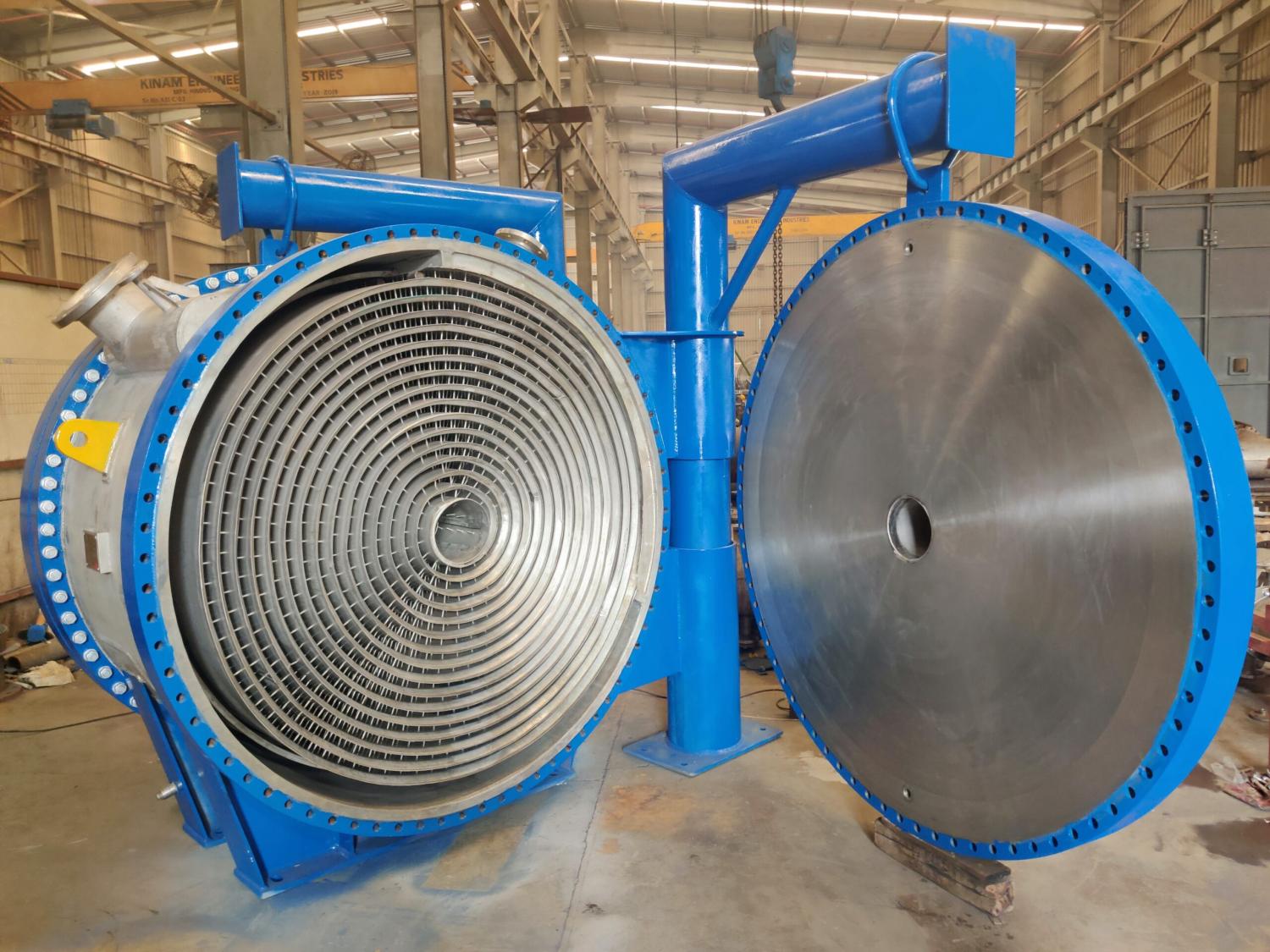
Mechanical Design Conditions in TEMA
Pressure Vessel Compliance
Artificial heat exchangers operating under pressure must misbehave with applicable pressure vessel canons, primarily ASME Section VIII. TEMA norms round these canons by furnishing specific guidance for heat exchanger factors including tube wastes, shells, channels, and flanges.
The norms specify minimal consistence computations, material conditions, and fabrication forbearance that insure structural integrity throughout the design pressure and temperature range.
Tube distance design represents a critical TEMA focus area, as these factors experience complex lading from discriminational pressure, temperature slants, and tube-to-tubesheet joint stresses. TEMA provides detailed computation styles for determining required tube distance consistence under colorful lading conditions, icing these critical factors repel functional stresses without failure or inordinate distortion.
Thermal Expansion Considerations
Temperature differentials between shell-side and tube-side fluids produce thermal expansion mismatches that induce mechanical stresses. TEMA norms address these challenges through specific design vittles including expansion joints, floating head designs, and U-tube configurations that accommodate discriminational expansion without overstressing factors.
The selection of applicable mechanical design depends on temperature differentials, tube lengths, and material parcels.
Fixed tube distance designs prove most provident for operations with minimum temperature differentials or where thermal expansion stresses remain within respectable limits. For services with significant temperature differences, floating head or U-tube designs give mechanical inflexibility that eliminates expansion-convinced stresses, extending outfit life and perfecting trustability.
Thermal and Hydraulic Design Principles
Heat Transfer Computations
TEMA norms establish methodologies for calculating heat transfer performance, including procedures for determining overall heat transfer portions, log mean temperature differences, and correction factors for colorful inflow arrangements. These standardized approaches insure harmonious performance prognostications across different manufacturers and engineering enterprises.
The norms give guidance on fouling factor selection, feting that deposit accumulation on heat transfer shells significantly impacts long-term performance. TEMA recommends conservative fouling factors grounded on service type and fluid characteristics, icing designed outfit accommodates anticipated fouling while maintaining required thermal duty throughout drawing cycles.
Pressure Drop Considerations
Hydraulic design balances toast transfer performance against pressure drop limitations. TEMA provides computation styles for determining tube-side and shell-side pressure drops, considering entrance and exit losses, disunion losses, and acceleration goods.
Baffle design significantly influences shell-side hydraulics, with cocoon distance, cut, and configuration affecting both heat transfer improvement and pressure drop penalties. Proper cocoon design creates cross-flow patterns that ameliorate heat transfer portions while avoiding inordinate pressure drops that increase pumping costs.
TEMA norms specify minimal and maximum cocoon distance ranges that balance performance against mechanical support conditions, precluding tube vibration and inflow-convinced tube damage.
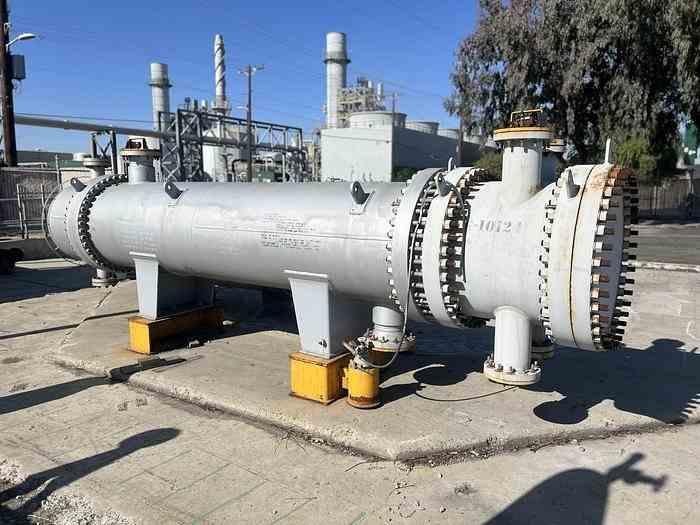
Material Selection and Corrosion Protection
TEMA norms give comprehensive guidance on material selection for colorful service conditions. The norms specify respectable accoutrements for different factors grounded on operating temperatures, pressures, and erosion surroundings.
Material combinations must consider galvanic comity, particularly at tube-to-tubesheet joints where different essence contact each other in the presence of process fluids.
Erosion allowances specified in TEMA norms regard for anticipated material loss over outfit design life. These allowances vary grounded on service inflexibility and material selection, icing acceptable wall consistence remains after anticipated erosion occurs.
For oppressively sharp services, TEMA recommends erosion-resistant blends or defensive coatings that extend outfit life beyond what carbon sword construction could achieve.
Fabrication and examination norms
Welding Conditions
TEMA norms establish welding procedure specifications, welder qualifications, and examination criteria that insure common integrity. The norms separate conditions between service classes, with Class R operations demanding further rigorous welding controls than Class C or B services.
All pressure-retaining welds must meet ASME Section VIII conditions, with TEMA furnishing fresh specifications specific to heat exchanger fabrication.
Tube-to-tubesheet joints represent critical fabrication rudiments where TEMA provides detailed guidance. The norms specify respectable joining styles including welding, comber expansion, and combination ways. Common quality directly impacts leak-miserliness and outfit trustability, making adherence to TEMA fabrication norms essential for long-term performance.
Quality Assurance and Testing
TEMA authorizations specific examination and testing procedures to corroborate outfit meets design specifications. Hydrostatic testing confirms pressure vessel integrity, while leak testing validates tube-to-tubesheet common quality.
Radiographic or ultrasonic examination of critical welds provides assurance of internal weld quality not visible through visual examination.
Dimensional examinations corroborate fabricated outfit matches design delineations, icing proper fit with associated pipeline and support structures. Pack birth concurrences must be vindicated for floating head and U-tube designs, attesting conservation availability meets functional conditions.
Performance Monitoring and Conservation Planning
TEMA design principles grease effective performance monitoring by establishing birth parameters for comparison. Knowing design heat duty, inflow rates, temperatures, and pressure drops enables drivers to assess current performance against original specifications.
Condescension from fouling, erosion, or mechanical damage becomes apparent through methodical monitoring of these parameters.
Conservation availability represents a crucial TEMA design consideration. Removable channel covers and floating heads or U-tube configurations enable tube pack birth for cleaning, examination, and form. TEMA norms specify minimal concurrences and lifting vittles that grease conservation operations, reducing time-out and associated costs.
Engineering Excellence Through Proven Norms and Quality Manufacturing
Successfully applying TEMA norms requires deep specialized moxie and practical manufacturing experience. While TEMA provides comprehensive design guidelines, rephrasing these principles into dependable, high-performing outfit demands negotiating judgment developed through times of operation experience across different artificial services.
Kinetic Engineering exemplifies the integration of TEMA design principles with manufacturing excellence, delivering artificial heat exchangers that meet strict performance and trustability conditions. Their engineering platoon possesses expansive knowledge of TEMA norms and applies these principles alongside practical experience to produce outfit optimized for specific process conditions.
This combination of theoretical rigor and practical wisdom ensures outfit performs reliably throughout its design life.
Beyond primary heat exchange outfit, Kinetic Engineering provides comprehensive heat transfer products including technical tube packets, relief corridor, and ancillary outfit that round their heat exchanger immolations. Their manufacturing installations incorporate quality control processes that corroborate compliance with TEMA norms and client specifications, furnishing confidence in outfit integrity and performance.
The company's commitment to client success extends from original design discussion through outfit commissioning and ongoing functional support. Their specialized platoon assists with specification development, performance optimization, troubleshooting, and lifecycle operation, icing guests realize maximum value from their thermal operation investments.
Conclusion
Artificial heat exchangers designed and fabricated according to TEMA norms profit from decades of collaborative assiduity knowledge codified into comprehensive engineering guidelines.
These norms insure mechanical integrity, optimize thermal and hydraulic performance, specify applicable accoutrements and fabrication practices, and grease conservation throughout outfit lifecycles.
For process diligence taking dependable heat transfer outfit, TEMA-biddable designs give proven results that balance performance, cost, and life. Understanding the part of TEMA norms in artificial heat exchanger specification enables informed outfit selection and establishes realistic performance prospects.
As artificial processes continue demanding advanced trustability and effectiveness from thermal operation systems, adherence to established engineering norms like TEMA becomes decreasingly critical for achieving functional excellence, minimizing lifecycle costs, and icing sustained competitive advantage in demanding global requests.


Comments
Post a Comment