Why Choose a Double Pipe Heat Exchanger Over Other Types
In the different geography of artificial heat transfer outfit, the double pipe heat exchanger represents one of the simplest yet most effective designs available, conforming of one pipe deposited concentrically inside another larger pipe to produce an effective thermal transfer system. While this straightforward configuration might feel less sophisticated than complex shell- and- tube arrangements or compact plate heat exchangers, double pipe designs offer specific advantages that make them the optimal choice for certain operations, inflow rates, space configurations, and functional conditions. Understanding when to elect a double pipe heat exchanger over indispensable technologies requires assessing factors including capacity requirements, temperature ranges, pressure conditions, fouling tendencies, conservation availability, budget constraints, and installation inflexibility. numerous masterminds dereliction to more complex heat exchanger types without feting situations where double pipe configurations deliver superior performance, better economics, or simpler operation and conservation. This comprehensive companion examines the unique characteristics of double pipe heat exchangers, identifies operations where they exceed, compares them against indispensable technologies, and helps installation masterminds and factory directors make informed outfit selection opinions that optimize thermal performance while controlling costs.
Understanding Double Pipe Heat Exchanger Design and Operation
The abecedarian simplicity of double pipe heat exchangers represents both their primary advantage and limitation. The introductory configuration features a lower pipe( the inner tube) deposited inside a larger pipe( the external pipe or shell), creating an annular space between them. One fluid flows through the inner tube while the alternate fluid flows through the annular space around it, allowing heat transfer through the inner tube wall without the fluids mixing.
When Double Pipe Heat Exchangers Excel Optimal Applications
Small to moderate heat duties represent the sweet spot for double pipe heat exchangers. For duties below roughly 1 million BTU/ hr or inflow rates under 50 GPM, double pipe designs frequently prove more provident and effective than larger shell- and- tube or plate heat exchangers. The simple construction reduces manufacturing costs, while the compact size suits operations where full- scale artificial heat exchangers would be large and hamstrung.High- pressure operations profit from double pipe construction because the indirectcross-sections of both inner and external pipes naturally repel pressure without taking the complex underpinning thatnon-circular shapes need. This makes double pipe exchangers suitable for pressures exceeding what plate heat exchangers can handle, frequently at lower cost than equally- rated shell- and- tube designs.
largely thick fluids flow more efficiently through the fairly large annular passage of double pipe exchangers compared to the narrow channels of plate heat exchangers or the complex cocoon- directed inflow paths in shell- and- tube designs. The reduced pressure drop and bettered heat transfer portions with thick accoutrements make double pipe configurations particularly suitable for operations involving canvases , polymers, resins, or other high- density process fluids.
Extreme temperature operations where accoutrements expand and contract significantly profit from double pipe designs that accommodate thermal expansion more readily than strictly- thwarted shell- and- tube exchangers. The simple figure allows for expansion joints and flexible connections that help stress- related failures in high- temperature or temperature- cycling operations.
Fouling services where deposits accumulate on heat transfer shells favor double pipe designs for several reasons. The straight- tube configuration allows mechanical cleaning by pushing skirmishes or drawing bias through tubes much simpler than drawing complex shell- and- tube tube packets. The annular space can also be designed with acceptable concurrence to minimize fouling or allow periodic backflushing to remove deposits.
Airman shops and experimental installations constantly employ double pipe heat exchangers because their simple construction, easy revision, and straightforward scale- up make them ideal for exploration and development. masterminds can fluently calculate performance, modify configurations, or replace sections during process development without the complexity of larger exchanger types.
Comparing Double Pipe to Shell- and- Tube Heat Exchangers
Shell- and- tube heat exchangers dominate artificial heat transfer operations, but double pipe designs offer distinct advantages in specific situations despite shell- and- tube’s overall versatility and request dominance.Capacity and economics favor shell- and- tube for large heat duties where hundreds of tubes give the massive face area that would bear impractically long double pipe sections. still, for lower duties, double pipe construction costs lower because it does not bear tube wastes, baffles, complex heads, or the perfection manufacturing that shell- and- tube fabrication demands.
conservation availability gives double pipe exchangers clear advantages. drawing straight tubes by pushing mechanical bias through them is far simpler than rooting tube packets, drawing individual tubes in a pack, or dealing with baffles that complicate access. For services taking frequent cleaning, this functional simplicity can neutralize shell- and- tube’s capacity advantages.
True counterflow is fluently achieved in double pipe designs, while shell- and- tube exchangers bear multiple passes or special configurations to compare counterflow performance. When close temperature approaches are critical where the outlet temperature of one fluid must nearly approach the bay temperature of the other — double pipe counterflow delivers superior performance.
Pressure drop considerations favor double pipe in some operations since fluid does not navigate complex cocoon arrangements. The straight inflow path minimizes turbulence and pressure loss, potentially reducing pumping costs in pressure-sensitive operations.
Double Pipe Versus Plate Heat Exchangers
Plate heat exchangers have gained fashionability for their compact size and high thermal effectiveness, but double pipe designs maintain advantages in several scripts.Pressure and temperature conditions extend advanced for double pipe construction. While plate heat exchangers generally maximum out around 400 °F and 300 psi( depending on gasket accoutrements ), double pipe designs fluently handle 600 °F and pressures exceeding 1,000 psi. operations beyond plate exchanger limits bear either shell- and- tube or double pipe configurations.
Fouling resistance favors double pipe in services where deposits form fleetly. Plate exchangers feature narrow channels that foul snappily and bear frequent disassembly for drawing — a labor- ferocious process. Double pipe designs allow mechanical cleaning without disassembly and can be designed with concurrences minimizing fouling propensity.
Gasket elimination gives double pipe each- welded construction advantages in operations where gasket failure pitfalls are inferior or where regulations enjoin gasketed joints. Plate exchangers bear gaskets( except for precious completely- welded performances), creating implicit leak paths and limiting chemical comity.
Viscous fluid handling explosively favors double pipe over plate designs since narrow plate passages produce inordinate pressure drops with thick accoutrements while furnishing poor heat transfer. The larger annular passage in double pipe exchangers accommodates thick fluids efficiently.
Installation and Space Considerations
The physical footmark and installation conditions of heat exchangers significantly impact outfit selection, particularly in installations with space constraints or delicate installation access.Double pipe exchangers enthrall further direct space than original- capacity plate heat exchangers but lower than shell- and- tube designs of analogous face area. The hairpin configuration folds inflow paths back on themselves, reducing footmark length while adding range. This configuration inflexibility allows contrivers to optimize outfit exposure for available space.
Installation simplicity represents another double pipe advantage. The featherlight construction compared to shell- and- tube exchangers simplifies apparel and positioning, while straightforward pipeline connections reduce installation labor. For remote locales, delicate access areas, or rooftop installations where lifting capacity is limited, double pipe designs offer practical advantages.
Modular expansion capability allows installations to start with minimum needed capacity and add sections as demands grow, spreading capital investment over time. This scalability suits growing operations or processes with uncertain future capacity conditions.
Cost Considerations and profitable Analysis
Original capital cost frequently favors double pipe exchangers for lower capacities, generally getting less provident than shell- and- tube designs as heat duty exceeds 1- 2 million BTU/ hr. still, total cost of power analysis should include installation costs, conservation charges, energy consumption, and anticipated service life.The simplified conservation reducing cleaning time and barring the need for technical tools or expansive disassembly can deliver significant operating cost advantages over outfit dates. also, lower pressure drop may reduce pumping costs enough to neutralize any effectiveness disadvantages compared to further compact designs.
Exploring Comprehensive Heat Transfer Results
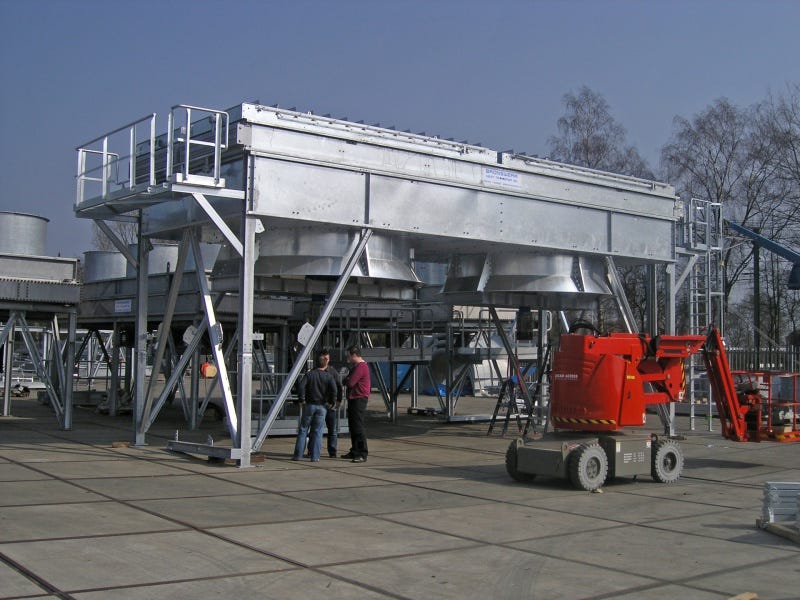
While double pipe heat exchangers exceed in specific operations, comprehensive thermal operation frequently requires assessing the full range of available technologies to identify optimal results for each unique situation. Different process conditions whether air cooling, liquid- to- liquid heat transfer, high- capacity artificial cooling, or specialized operations — demand different heat exchanger configurations optimized for those specific conditions.For operations taking air cooling where process fluids must be cooled using medium air rather than water or other liquids, air cooled heat exchangers give essential results that exclude cooling water conditions, reduce operating costs, and suit locales where water is scarce or precious. Understanding the full diapason of heat transfer technologies, from double pipe and shell-and-tube to air- cooled and specialized designs, ensures masterminds elect outfit optimally matched to operation conditions.
When assessing heat transfer outfit options or seeking technical designs for unique operations, exploring comprehensive product immolations from educated manufacturers provides precious perspective. showcase the range of technologies available and connect installations with engineering moxie that helps identify the most applicable result — whether double pipe, air- cooled, or indispensable configurations — grounded on specific process needs, operating conditions, and performance objects.


Comments
Post a Comment